

Holistic wellness is a comprehensive approach to health that considers the interconnectedness of various aspects of our lives. One crucial link in this intricate web is the relationship between diet and skin health. While skincare products and routines play a role, the foundation of radiant, healthy skin often lies in the nutritional choices we make. In this article, we will delve into the profound connection between diet and skin health, exploring how what we eat can significantly impact the appearance and vitality of our skin.
1. Nutrients for Skin Health:
a. Vitamins and Antioxidants:
Vitamin A: Essential for skin repair and maintenance and is found in foods like sweet potatoes, carrots, and spinach.
Vitamin C: A powerful antioxidant that boosts collagen production and is present in citrus fruits, berries, and bell peppers.
Vitamin E: Protects the skin from oxidative damage and is abundant in nuts, seeds, and leafy greens.
b. Omega-3 Fatty Acids:
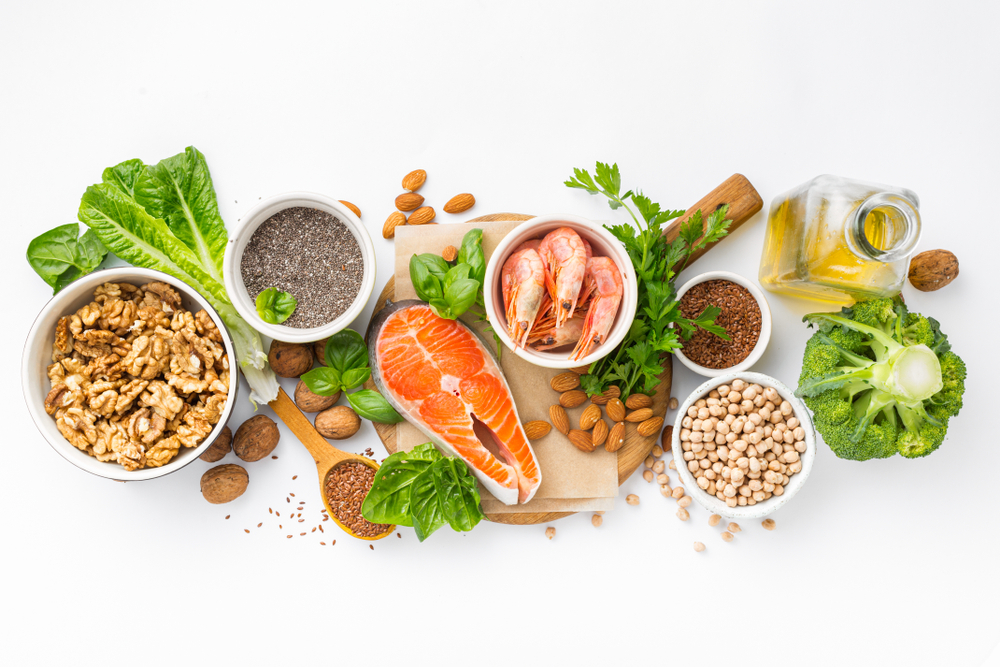
Omega-3 fatty acids, found in fatty fish and plant-based sources like flaxseeds and walnuts, are essential for skin wellness. They help maintain a healthy lipid barrier by preventing moisture loss and promoting elasticity. These fatty acids are also known for their anti-inflammatory properties, which can help treat skin conditions like eczema and psoriasis. They also contribute to cardiovascular health, cognitive function, and mood regulation. Incorporating omega-3 fatty acids into one’s diet not only offers cosmetic benefits but also promotes overall well-being. Overall, omega-3 fatty acids are a crucial component of a holistic nutrition approach.
c. Zinc:
Zinc is a crucial trace element for skin health, found in lean meats, nuts, and whole grains. It supports the skin’s natural healing processes and regulates oil production. Zinc is essential for cell division and tissue repair, promoting wound healing and minimizing scarring. It also regulates sebum production, the skin’s natural oil, preventing excessive dryness and oiliness, which is especially beneficial for acne-prone individuals. Zinc also has antioxidant properties, combating oxidative stress and supporting immune function. Incorporating zinc-rich foods into one’s diet can promote skin vitality and overall well-being.
2. Hydration and Skin:

a. Water:
Water is crucial for maintaining skin health, as it acts as a natural moisturizer, supporting the skin’s moisture barrier and preventing dryness. It also aids in detoxification, reducing the burden on the skin to expel toxins through pores, leading to clearer skin and reduced blemishes and acne. Water also promotes even skin tone and enhances natural radiance by transporting nutrients to skin cells, promoting repair and regeneration. As a natural resource, ensuring a daily water intake is an effective strategy for nurturing the skin from within.
b. Green Tea:
Green tea is a natural beauty product known for its antioxidant properties, particularly EGCG, which protects the skin from damage and inflammation, promoting a healthier complexion. These antioxidants neutralize free radicals, reducing oxidative stress and contributing to premature aging. Green tea also has anti-inflammatory properties, reducing redness and promoting a calmer complexion. Its benefits extend beyond topical use, as it can be consumed as a beverage or as part of a diet, providing systemic support against oxidative stress and inflammation. Integrating green tea into skincare and dietary routines can promote long-term skin health.
3. Impact of Sugar and Processed Foods:

a. Sugar:
High sugar intake can lead to glycation, a process that damages collagen and elastin, contributing to premature aging. Limiting refined sugars is crucial for maintaining skin elasticity.
b. Processed Foods:
Diet is having a bigger effect on skin health. Processed foods with added chemicals and preservatives may make skin more irritated and worsen its general health. Eating a lot of whole, unprocessed foods is good for keeping your face healthy and strong. Processed foods don’t have the same vitamins, minerals, and antioxidants that whole foods like fruits, veggies, and nuts do. This can make it harder for skin to heal and grow back. Whole foods, which are high in vitamins A, C, and E, help the body make collagen, fight oxidative stress, and keep the skin healthy. A whole-foods, unprocessed-foods-based approach to nutrition is important for supporting general health and maintaining healthy skin over time.
4. The Gut-Skin Connection:
a. Probiotics:
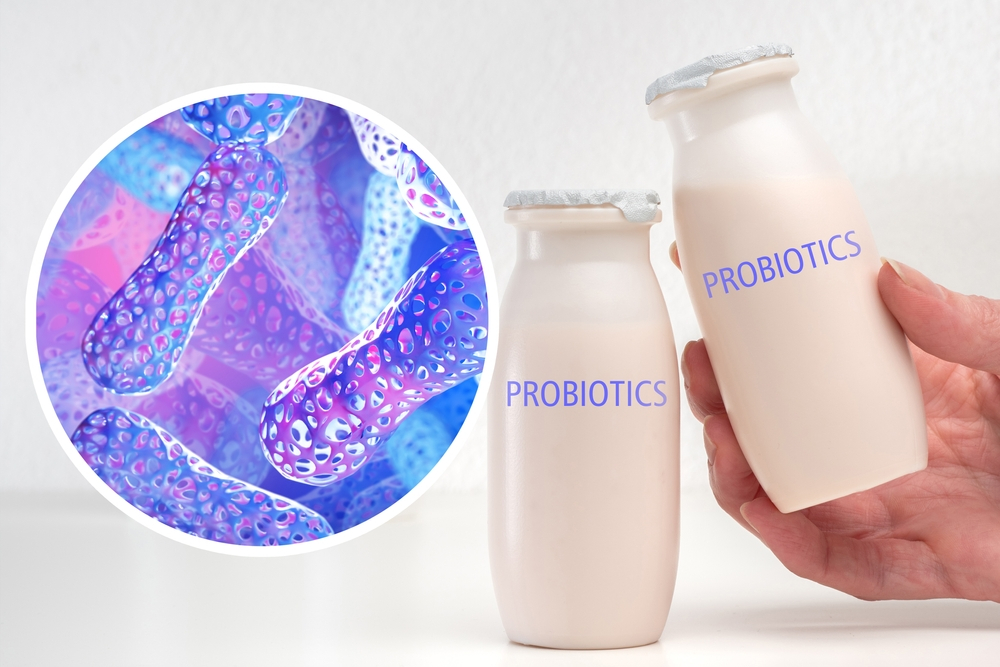
A healthy gut microbiome positively influences skin health. Probiotic-rich foods like yogurt, kefir, and fermented vegetables support gut health and may improve skin
conditions like acne and eczema.
b. Fiber:
Fiber-rich foods promote a healthy digestive system, aiding in the elimination of toxins. This, in turn, can contribute to clearer skin.
5. Individual Variations and Allergies:
a. Food Sensitivities:
Certain individuals may experience skin issues due to food sensitivities. Identifying and avoiding trigger foods can help manage skin conditions.
b. Inflammatory Foods:
Some people may find relief from inflammatory skin conditions by reducing their intake of potential trigger foods, such as dairy or gluten.
Conclusion:
In embracing holistic wellness, it’s essential to recognize the profound impact that diet has on skin health. By nourishing our bodies with a variety of nutrient-dense foods, staying hydrated, and being mindful of potential dietary triggers, we can support our skin from the inside out. As we cultivate a holistic approach to wellness, incorporating healthy dietary choices becomes a cornerstone of achieving and maintaining vibrant, radiant skin.