

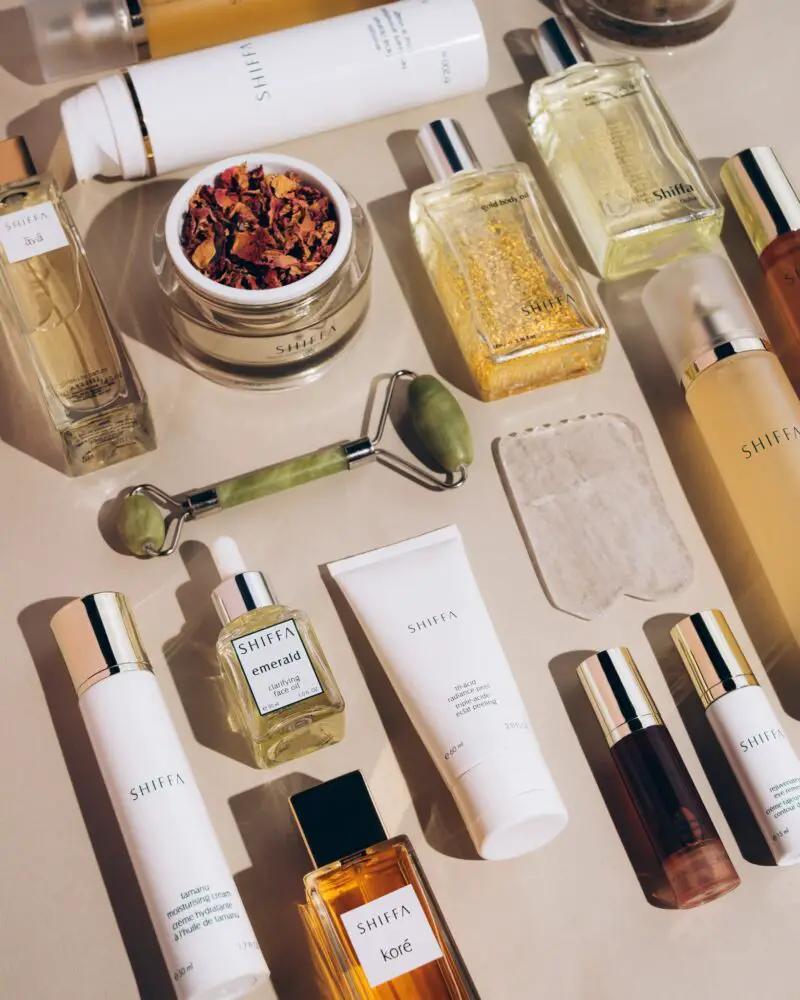
Explore the best beauty products across the South Asia with us.
These brands are getting popular worldwide. They mix skincare secrets and makeup techniques. They offer beauty essentials that are true to their culture.
Some brands use natural ingredients, like iUNIK. Others have gentle formulas, like Some By Mi. These brands are changing how we see skincare.
They offer high-quality products at good prices. This shows beauty can be for everyone. Brands like Missha make sure everyone can find something they like.
Brands like COSRX and Beauty of Joseon mix old traditions with new science. They have unique formulas that catch people’s attention. Each brand brings something new to skincare.
In this article, we’ll see how these brands offer great products and experiences. They are a must-try in today’s beauty world. Let’s explore the beauty treasures from South Asia!
South Asian Beauty Brands
Exploring South Asian beauty brands shows us a world rich in culture and tradition. They use ingredients like turmeric, saffron, and rosewater. These ingredients are known for their skin benefits.
These brands mix old traditions with modern science. This creates products loved by people all over the world.
In recent years, South Asian beauty brands have become more popular. Brands like Kulfi, started by Priyanka Ganjoo, have played a big part in this. Priyanka worked at companies like Estée Lauder before starting her own business.
Kulfi uses social media like Instagram and TikTok to reach more people. This shows how beauty traditions are changing to be more inclusive and easy to get into.
These brands focus on wellness and self-care. They aim to help people of all backgrounds feel included. South Asian beauty brands are changing the beauty world. They mix their cultural roots with new ideas, making a big impact globally.
Explore the Different Beauty Standards
Looking into beauty standards shows us how diverse cultures are. In South Asia, beauty means clear skin, long hair, and being slim. These traits mix old views with new Western trends.
Bollywood stars and fashion icons shape these beauty standards. They mix traditional Asian beauty with modern looks. This mix makes beauty standards interesting and changing.
Now, 70% of people want brands to show more diversity in ads. This shows a big change towards including more people. Sales of gender-neutral beauty products have gone up by 50% in two years.
Brands that use diverse models do well with Gen Z. This group likes real and true beauty campaigns. These campaigns get 30% more likes on social media than old ads.
Most people, 80%, like beauty brands that help underrepresented groups. Now, only 5% of women want to see perfect models in ads. This shows a big change in what people want to see.
Brands are changing to meet these new beauty standards. They’re making products for more people and celebrating diversity. This makes beauty standards wider and more welcoming for everyone.
Seven Best South Asian Beauty Brands
The beauty world is richer with top South Asian brands. They offer a wide range of skincare and makeup. Brands like UMA use Ayurveda, an ancient healing system, in their products. They focus on natural ingredients that help balance the mind, body, and spirit.
Byredo is known for its amazing scents and luxury in beauty. They focus on quality, attracting those looking for unique skincare. Kama Ayurveda stands out for its ethical practices, with most products being cruelty-free.
Fable & Mane is popular for hair care inspired by Indian traditions. Their products help achieve strong, healthy hair. They also focus on being sustainable, which is good for the planet.
Live Tinted is making makeup more inclusive for all skin tones. Their Superbright 15% Vitamin C Serum Stick is a top product at $52. It shows their commitment to quality and affordability.
Prices for these brands range from $15 to $75. This makes them affordable but still high-quality. For example, Inde Wild’s Dewy Lip Treatment is $25, and Ghlee’s Lip Scrub is $20. These products show you can get great skincare on a budget.
About 20% of these brands have a mission to help women and communities. Sahajan and Mango People make products that are good for beauty and health. They show how beauty can support wellness and community.
Exploring these South Asian beauty brands is exciting. You can read reviews to find your new favorite products. From everyday makeup to special skincare, they focus on quality, ethics, and cultural roots. This makes the beauty world diverse and rich.
Innovative Practices of South Asian Beauty Brands
South Asian beauty brands are leading with new beauty trends. They mix old traditions with new ideas. They focus on making eco-friendly products a key part of their brand.
Fable & Mane, run by siblings Akash Mehta and Nikita Mehta, uses natural ingredients. They also make sure their products are cruelty-free. Their HoliRoots Pre-Wash Treatment Oil for Thinning Hair shows their dedication to quality and ethics.
Technology is also changing beauty. Live Tinted uses digital tools to offer personalized care. This lets customers find products just for them.
Brands like Aavrani are making waves with new products. Their Glow Activating Exfoliator mask uses raw Manuka honey and turmeric. Kulfi Beauty’s Underlined Kajal Eyeliner won an Allure Best of Beauty Award. It shows how old traditions can be updated for today.
These brands also focus on getting ingredients from their community. Diaspora Co. is all about using local sources. This approach supports sustainable beauty and connects with customers who want to buy eco-friendly products.
South Asian beauty brands are staying fresh while keeping their cultural roots. They use sustainable beauty and technology to lead in the beauty world.
The Influence of Culture on Beauty Brands
Culture shapes beauty brands in South Asia. Beauty rituals from the past guide product creation and marketing. Fable & Mane, for example, honors a 5,000-year-old hair oiling tradition. Stars like Mindy Kaling and Julia Garner support it.
Ceremonia goes beyond borders too. It uses ingredients from Africa and Japan for Latinx and ethnic hair. This mix of cultures makes products that speak to many people.
AIREM uses an old Korean tea ceremony for self-care. This shows how culture adds value to products and helps with well-being.
Advertising matters a lot too. UOMA, by Sharon Chuter, stands for inclusive beauty with an African touch. It promotes trends like the “brownie glazed lip” to show its true self.
Beauty brands need to connect with their customers’ roots. New brands use their cultural stories to quickly adapt to trends. Big brands like Estée Lauder and Glossier are also changing to better connect with people.
This focus on culture makes brands stronger and builds a sense of belonging. The trend for heritage products is big in beauty. Brands like LIHA Beauty and Epara lead by keeping culture central to their goals.
Beauty Brands: Their Global Reach
South Asian beauty brands are growing fast and making a mark worldwide. They are becoming more popular as global brands look for diversity. This change opens up big chances for these brands to grow and meet new customers.
Being part of big beauty events and working with famous influencers helps South Asian brands get noticed. They use social media to reach more people and get them excited about their products. Studies show that many beauty buyers find new products through influencers, showing how important they are.
Brands like L’Oréal are leading by making products that everyone can use. The beauty market is expected to be worth $670.8 billion by 2024. This gives South Asian brands a chance to stand out in a big market. The men’s personal care market is also growing fast, showing the need for diverse beauty products.
South Asian beauty brands are changing beauty trends and what we see as beauty standards. They bring new ideas and inclusiveness to the beauty world. This makes them popular with beauty lovers all over the globe.
Celebrating Diversity in Beauty Brands
The beauty industry has changed a lot, focusing more on diversity. South Asian brands are leading this change. They offer products that meet the needs of different people.
Brands like Fenty Beauty have 50 foundation shades. This shows how important it is to have inclusive beauty products. These products help many skin tones.
Now, people want brands that understand them. Businesses are adding diversity to their products. About 70% of people like to support brands that get their needs.
Almost half of consumers want to buy from brands that celebrate diversity. This shows how important it is to be inclusive.
Inclusive beauty products are not just about color. Rare Beauty works on mental health and has many shades. Human Beauty is owned by disabled people and makes products for everyone.
Being diverse can make customers loyal and help businesses grow. If a business doesn’t focus on diversity, it might lose money. This shows how important it is to meet consumer needs.
Conclusion
Exploring South Asian beauty brands shows a rich mix of culture and innovation. They meet the needs of many consumers. These brands show off the unique beauty standards of the South Asian diaspora.
They also add to a story that values diversity. The beauty industry is changing to be more inclusive. It sees beauty in many forms and textures.
The trend towards conscious beauty is growing. Experts talk about it and groups like the Conscious Beauty Collective support it. This group has over 30 indie brands.
These efforts focus on being open and green. They match what consumers want in products. Now, over 33% of beauty brands are called “clean.”
South Asian beauty brands let consumers connect with their heritage. This movement promises a bright future for beauty. It invites everyone to join a journey that changes and enriches us.
Choosing these diverse options makes our beauty journeys wider. It also shows how important cultural stories are in today’s world.