


Getting and keeping healthy, glowing skin is more than just using skincare items; it has a lot to do with what you eat. Many things that people eat are very different from what their face and skin need. Essential vitamins are very important for skin health because they give the body the building blocks it needs to heal, regenerate, and protect itself from environmental stresses. Vitamins are important for skin health in a wide range of areas, from zinc, a chemical that helps the immune system work and heal wounds, to vitamin A, which helps cells divide and make collagen. Vitamin E helps keep skin hydrated and smooth, and vitamin C fights free radicals, which are known as antioxidants. Biotin and niacinamide are two B vitamins that help keep your skin healthy and looking young. By eating a variety of vitamins, people give their skin the tools it needs to stay glowing and young-looking and protect itself from the outside world.
Vitamin A (Retinol):
Overview:
Vitamin A, specifically in the form of retinol, is renowned for its skin-regenerating properties. It promotes cell turnover, helping to shed old, damaged skin cells and stimulate the growth of new ones. This process can improve skin texture, reduce fine lines, and address issues like acne and hyperpigmentation.
Sources:
Include foods rich in retinol, such as liver, eggs, and dairy products, or consume beta-carotene from fruits and vegetables like carrots, sweet potatoes, and spinach, which the body converts into vitamin A.
Supplementation:
In some cases, topical retinoids or oral supplements may be recommended, but it’s crucial to consult with a healthcare professional due to potential side effects.
Vitamin C:
Overview:
Vitamin C, or ascorbic acid, is a potent antioxidant that plays a key role in collagen synthesis. Collagen is essential for maintaining skin elasticity and firmness, helping to prevent sagging and wrinkles. Additionally, vitamin C shields the skin from pollution and UV rays damage caused by free radicals.
Sources:
Citrus fruits, strawberries, kiwi, and bell peppers are excellent sources of vitamin C. Including these in your diet can enhance your skin’s natural defense mechanisms.
Topical Application:
Vitamin C is commonly found in skincare products, offering additional protection against environmental stressors when applied topically.
Vitamin E:

Overview:
Another powerful antioxidant, vitamin E, helps protect the skin from oxidative stress. It supports skin repair and helps maintain its moisture balance, preventing dryness and flakiness.
Sources:
Nuts, seeds, spinach, and broccoli are rich in vitamin E. Including these foods in your diet can contribute to overall skin health.
Topical Use:
Vitamin E oil is often used topically to soothe and nourish the skin. It is commonly found in moisturizers and serums.
Vitamin D:
Overview:
Vitamin D is crucial for overall health, and its deficiency can affect the skin’s immune function. Adequate vitamin D levels are associated with a reduced risk of skin conditions like psoriasis and eczema.
Sources:
Sun exposure is a natural way to boost vitamin D levels. Additionally, fatty fish, fortified dairy products, and egg yolks can contribute to your dietary intake.
Supplementation:
In regions with limited sunlight or for individuals with vitamin D deficiency, vitamin D supplements may be recommended under medical supervision.
Vitamin K:
Overview:
Vitamin K is an important part of the body because it helps blood clot and heal wounds. It helps the body make proteins that help blood clot, which is very important for fixing damaged cells and stopping bleeding. Blood vessels that are visible in skin that are too thin or broken are what cause dark circles under your eyes, so vitamin K helps blood clot, which is beneficial for your skin because it lessens their appearance.
Sources:
Leafy green vegetables like kale, spinach, and broccoli are excellent sources of vitamin K.
Topical Application:
Vitamin K creams are available for topical use to address specific skin concerns, such as bruising and dark circles.
Vitamin B Complex:
Overview:
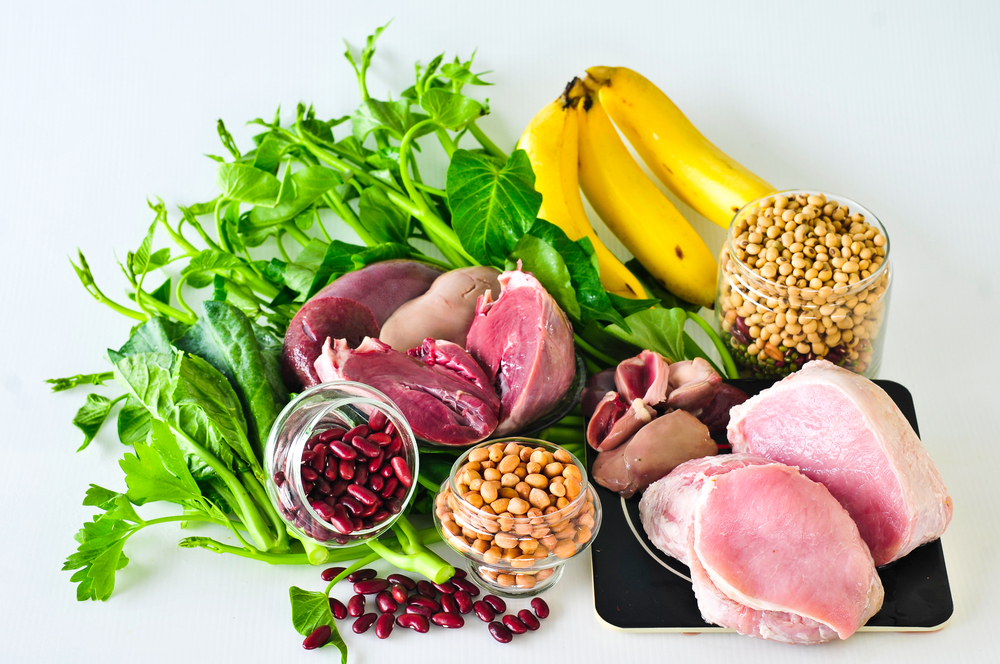
The B-vitamin complex, including B1 (thiamine), B2 (riboflavin), B3 (niacin), B5 (pantothenic acid), B6 (pyridoxine), B7 (biotin), B9 (folate), and B12 (cobalamin), collectively contributes to overall skin health. They play roles in cellular energy production, DNA synthesis, and collagen formation.
Sources:
Whole grains, meat, poultry, fish, dairy products, and leafy greens provide a diverse range of B vitamins.
Supplementation:
While a balanced diet usually provides sufficient B vitamins, supplements may be considered for individuals with specific dietary restrictions or deficiencies.
Zinc:
Overview:
Zinc is an essential mineral that supports skin healing, reduces inflammation, and regulates oil production. It is particularly beneficial for individuals with acne-prone skin.
Sources:
Foods rich in zinc include oysters, beef, poultry, beans, and nuts.
Supplementation:
Zinc supplements may be recommended for individuals with deficiencies, but it’s crucial to consult a healthcare professional to avoid excessive intake.
Conclusion:
Incorporating a variety of vitamins into your diet is crucial for achieving and maintaining healthy, beautiful skin. While a well-balanced diet is the primary source of these vitamins, topical applications and supplements may be beneficial in certain situations. Remember, individual needs vary, and consulting with a healthcare professional or dermatologist can help create a personalized plan for optimal skin health. So, from vitamin A to zinc, embrace the power of these essential nutrients for radiant and resilient skin.