

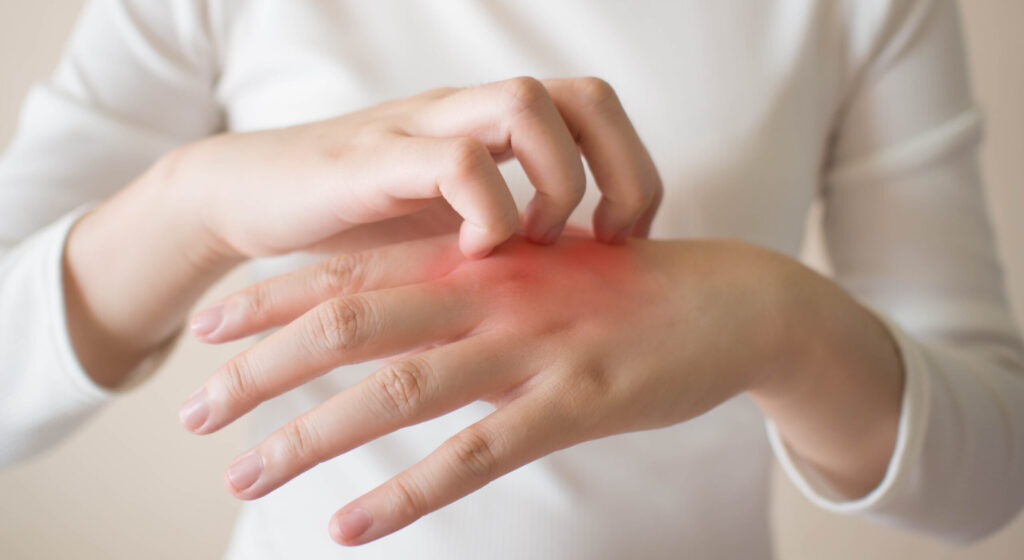
Eczema, also known as atopic dermatitis, is a common skin condition that affects millions of people worldwide. Characterized by red, itchy, and inflamed skin, eczema can significantly impact the quality of life. This comprehensive guide will help you understand how to identify and treat eczema effectively.
Understanding Eczema
What is Eczema?
Eczema is a chronic inflammatory skin condition that causes the skin to become red, itchy, and inflamed. It can occur at any age but is most common in infants and young children. Eczema is not contagious, but it can be hereditary.
Causes of Eczema
The exact cause of eczema is unknown, but it is believed to be a combination of genetic and environmental factors. Key factors include:
- Genetics: A family history of eczema, asthma, or hay fever can increase the risk.
- Immune System: An overactive immune system response to irritants.
- Environment: Exposure to allergens, harsh soaps, and certain fabrics.
- Stress: Emotional stress can trigger flare-ups.
- Climate: Cold, dry air or hot, humid weather can worsen symptoms.
Types of Eczema
There are several types of eczema, each with unique characteristics:
- Atopic Dermatitis: The most common form, often associated with other allergic conditions.
- Contact Dermatitis: Caused by direct contact with irritants or allergens.
- Dyshidrotic Eczema: Characterized by small, itchy blisters on the hands and feet.
- Nummular Eczema: Circular, coin-shaped patches of irritated skin.
- Seborrheic Dermatitis: Affects areas with many oil glands, like the scalp and face.
- Stasis Dermatitis: Occurs in the lower legs due to poor circulation.
Identifying Eczema
Common Symptoms
Eczema symptoms can vary, but common signs include:
- Itching: Often severe and worse at night.
- Redness: Inflamed, red patches of skin.
- Dryness: Extremely dry, scaly, or cracked skin.
- Swelling: Swollen areas due to inflammation.
- Blisters: In some types, small, fluid-filled blisters.
- Thickened Skin: Chronic scratching can lead to thickened, leathery patches.
Diagnosing Eczema
A healthcare provider can diagnose eczema through a physical examination and review of medical history. In some cases, additional tests such as skin biopsies or allergy tests may be needed to identify specific triggers.
Treating Eczema
Lifestyle and Home Remedies
Effective management of eczema often involves lifestyle changes and home remedies:
- Moisturizing: Regularly apply moisturizers to keep skin hydrated. Look for products free of fragrances and irritants.
- Bathing: Use lukewarm water and mild, non-soap cleansers. Avoid hot showers and harsh soaps.
- Avoiding Triggers: Identify and avoid allergens or irritants that trigger flare-ups.
- Clothing: Wear soft, breathable fabrics like cotton. Avoid wool and synthetic fibers.
- Stress Management: Practice stress-reducing techniques like yoga, meditation, or deep breathing exercises.
Medical Treatments
When home remedies are not enough, medical treatments may be necessary:
- Topical Corticosteroids: Reduce inflammation and itching. Use under medical supervision to avoid side effects.
- Topical Calcineurin Inhibitors: Non-steroidal options that help reduce inflammation.
- Antibiotics: If a bacterial infection develops, antibiotics may be prescribed.
- Antihistamines: Help reduce itching and improve sleep.
- Phototherapy: Controlled exposure to ultraviolet light under medical supervision.
- Systemic Medications: For severe cases, oral or injectable medications like immunosuppressants or biologics.
Natural and Alternative Treatments
Some people find relief through natural and alternative treatments:
- Probiotics: May help improve gut health and reduce eczema symptoms.
- Herbal Remedies: Calendula, chamomile, and licorice root can have soothing properties.
- Essential Oils: Tea tree oil and lavender oil may help reduce inflammation and itching.
- Dietary Changes: Identifying and avoiding food allergens. A diet rich in omega-3 fatty acids may help reduce inflammation.
Preventing Eczema Flare-ups
Skincare Routine
Developing a consistent skincare routine is crucial:
- Daily Moisturizing: Apply a thick, fragrance-free moisturizer at least twice daily.
- Gentle Cleansing: Use mild, hypoallergenic cleansers. Avoid scrubbing the skin.
- Hydration: Drink plenty of water to keep skin hydrated from the inside out.
Environmental Control
Managing your environment can help prevent flare-ups:
- Humidity Control: Use a humidifier in dry environments to keep the air moist.
- Temperature Regulation: Avoid extreme temperatures. Keep your home cool in the summer and warm in the winter.
- Allergen Reduction: Regularly clean your home to reduce dust, pet dander, and other allergens.
When to See a Doctor
Consult a healthcare provider if:
- Symptoms are severe or worsening.
- Over-the-counter treatments are ineffective.
- There are signs of infection, such as increased redness, warmth, or pus.
- Eczema significantly impacts daily life and well-being.
Conclusion
Eczema is a manageable condition with the right approach. By identifying triggers, adopting a consistent skincare routine, and using appropriate treatments, you can control symptoms and improve your quality of life. Always consult with a healthcare provider for personalized advice and treatment options.
By following this comprehensive guide, you can take proactive steps to identify, treat, and manage eczema effectively. Remember, consistency and patience are key to finding relief and maintaining healthy skin.