

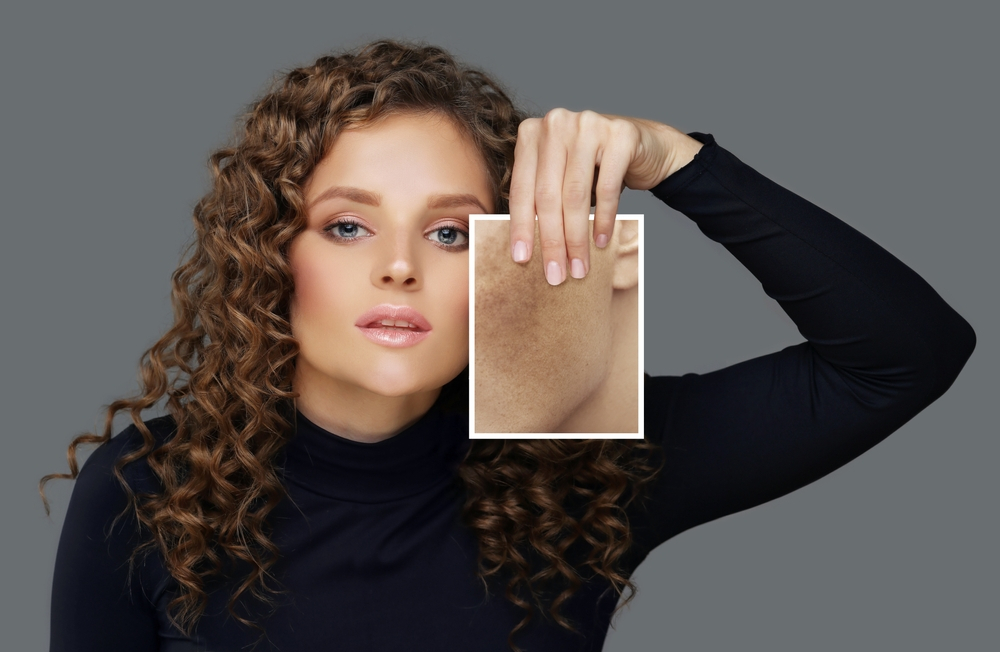
A common skin condition known as hyperpigmentation causes darkened patches or spots on the skin as a result of excessive melanin production. Sun exposure, hormonal changes, inflammation, and perhaps even specific medications are just a few of the factors that can cause it. While hyperpigmentation is not harmful, it can affect one’s self-esteem and confidence. Fortunately, there are numerous treatments and strategies available to help fade hyperpigmentation and achieve a more even skin tone. This complete guide will look at many different ways to effectively treat hyperpigmentation.
Understanding Hyperpigmentation:
Before delving into treatment options, it’s important to understand the different types of hyperpigmentation:
Sun-induced (Solar Lentigines):
Also known as sunspots or age spots, these darkened patches result from prolonged exposure to the sun’s ultraviolet (UV) radiation.
Post-Inflammatory Hyperpigmentation (PIH):
This type of hyperpigmentation occurs as a result of inflammation or injury to the skin, such as acne, eczema, or psoriasis. PIH often appears as dark spots or patches after the healing proinflammatory
Melasma:
A condition called melasma shows up as even, brown spots on parts of the skin that get a lot of sun, like the face, forearms, and neck. Changes in hormones, pregnancy, and oral contraceptives can all make it worse.
Hormonal Hyperpigmentation:
Hormonal fluctuations during pregnancy, menopause, or due to hormonal therapies can lead to darkened patches on the skin.
Drug-induced Hyperpigmentation:
Certain medications, such as antimalarials, antipsychotics, and chemotherapy drugs, can cause hyperpigmentation as a side effect.
Now that we know what hyperpigmentation is and how it happens, let us look at the different ways it can be treated.
Treatment Options for Hyperpigmentation:

Topical Treatments:
- Hydroquinone is often used to lighten areas that are too dark. However, it can irritate the skin and cause new dark spots to appear, so it should only be used with the advice of a doctor.
- Topical retinoids, such as tretinoin and adapalene, improve skin smoothness, hyperpigmentation, cell turnover, and acne by speeding up cell turnover and exfoliation.
- Stopping the production of melanin is one way that vitamin C can make skin lighter and less hyperpigmented. You should look for safe forms of vitamin C in serums and creams, like ascorbic acid or magnesium ascorbyl phosphate.
- AHAs, such as glycolic and lactic acids, get rid of dead skin cells on the skin’s surface. They also speed up the turnover of skin cells and help discoloration fade over time.
- It is known that kojic acid, which comes from mushrooms, can lighten your skin by stopping tyrosinase, the enzyme that makes melanin.
Chemical Peels:
Chemical peels involve the application of a chemical solution to the skin, which causes exfoliation and peeling. This helps to remove the outer layers of damaged skin cells, revealing fresher, more evenly pigmented skin underneath. Different types of peels, such as glycolic acid peels, lactic acid peels, and salicylic acid peels, can be used to treat hyperpigmentation.
Microdermabrasion:
Microdermabrasion is a non-invasive procedure that uses a device to exfoliate the outer layer of the skin, helping to reduce hyperpigmentation and improve skin texture. It works by removing dead skin cells and stimulating collagen production, resulting in smoother, more even-toned skin.
Laser Therapy:
Laser therapy, such as intense pulsed light (IPL) or fractional laser resurfacing, can effectively target and reduce hyperpigmentation. Focused light energy is sent to the skin during these treatments. This breaks up extra melanin and encourages the production of collagen. Depending on how intense the treatment is, you may need more than one session to get the best results. You may also have to take some time off afterward.
Microneedling:

Microneedling, also known as collagen induction therapy, involves using a device with fine needles to create controlled micro-injuries in the skin. This stimulates the skin’s natural healing process and promotes collagen production, leading to improvements in hyperpigmentation, fine lines, and overall skin texture.
Cosmetic Camouflage:
In cases where other treatments are not suitable or desired, cosmetic camouflage can be used to conceal hyperpigmented areas. This involves using specialized makeup products, such as color-correcting concealers and foundations, to effectively camouflage dark spots and achieve a more even skin tone.
Sun Protection:
Perhaps the most crucial aspect of treating and preventing hyperpigmentation is sun protection. UV exposure can worsen existing hyperpigmentation and increase the risk of developing new dark spots. Therefore, it’s essential to use a broad-spectrum sunscreen with an SPF of 30 or higher daily, even on cloudy days, and reapply it every two hours when outdoors. Additionally, wearing protective clothing, such as hats and sunglasses, and seeking shade during peak sun hours can further reduce sun damage.
Professional Guidance:
While many over-the-counter products and treatments are available for hyperpigmentation, it’s essential to consult a dermatologist or skincare professional for personalized recommendations. They can assess your skin type, the severity of your hyperpigmentation, and any underlying factors contributing to the condition to develop a tailored treatment plan that addresses your specific needs and concerns.
Conclusion:
People with hyperpigmentation may find it hard to control their condition, but with the right approach and treatment plan, they can make big improvements. Consistency and patience are essential, whether you choose topical treatments, professional procedures, or a mix of the two. Additionally, using sunscreen and following a healthy skincare routine is important for preventing future hyperpigmentation and keeping a healthy, glowing complexion. You can effectively treat hyperpigmentation and feel good about your skin again if you take action and get professional help when you need it.